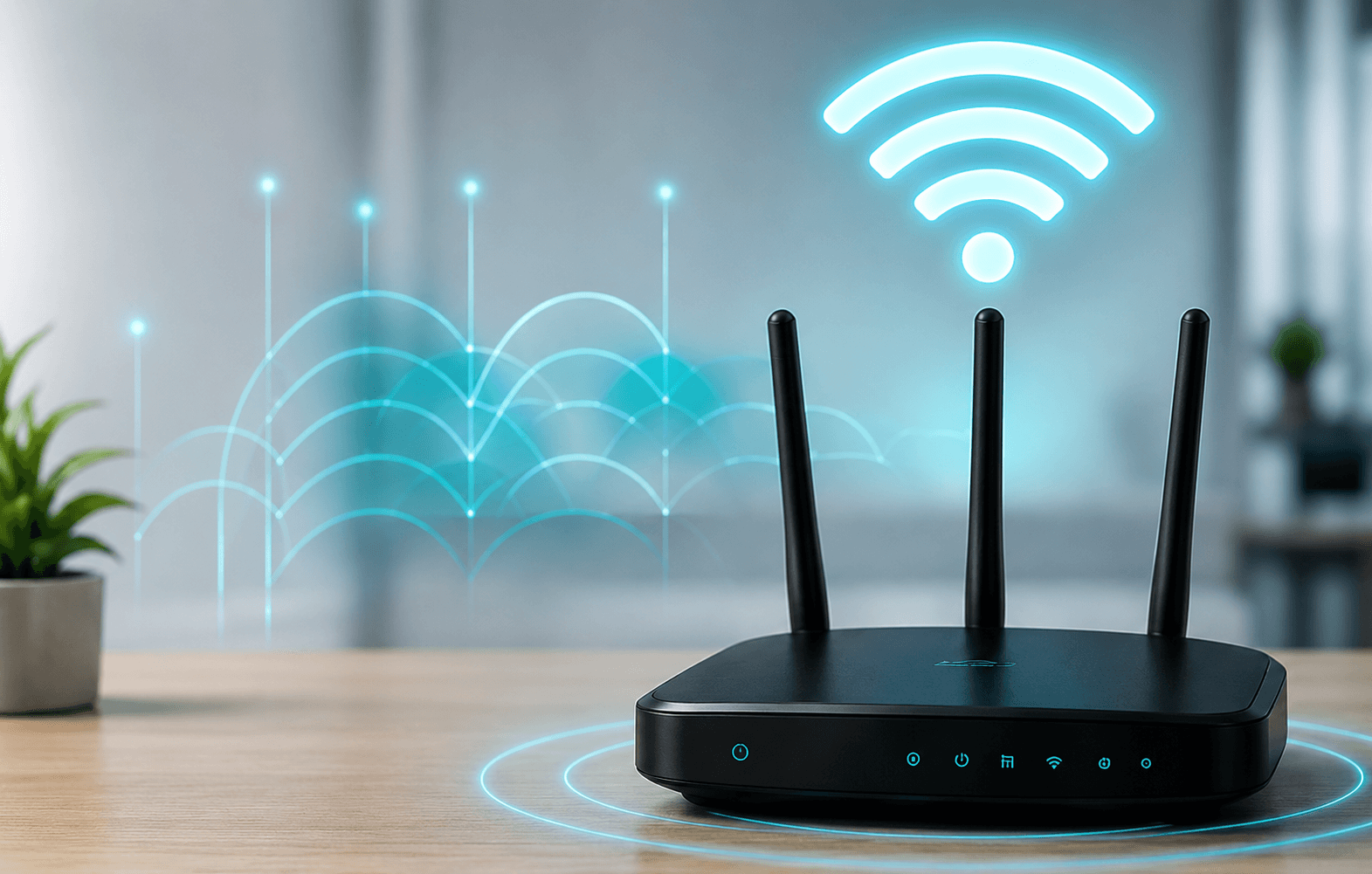
Zigbee vs Wi-Fi channel planner
Zigbee and 2.4 GHz Wi-Fi share the same band. Enter the nearby Wi-Fi channels and get the Zigbee channel with the clearest space.
Which Zigbee channel should I use?Every tool exists because the useful answer was buried in a forum thread, a PDF, or a manufacturer page. Each one works in your browser, shows its calculation, and stays focused on the job.
No bloated dashboards. Pick the question you need answered and get a practical result.
Zigbee and 2.4 GHz Wi-Fi share the same band. Enter the nearby Wi-Fi channels and get the Zigbee channel with the clearest space.
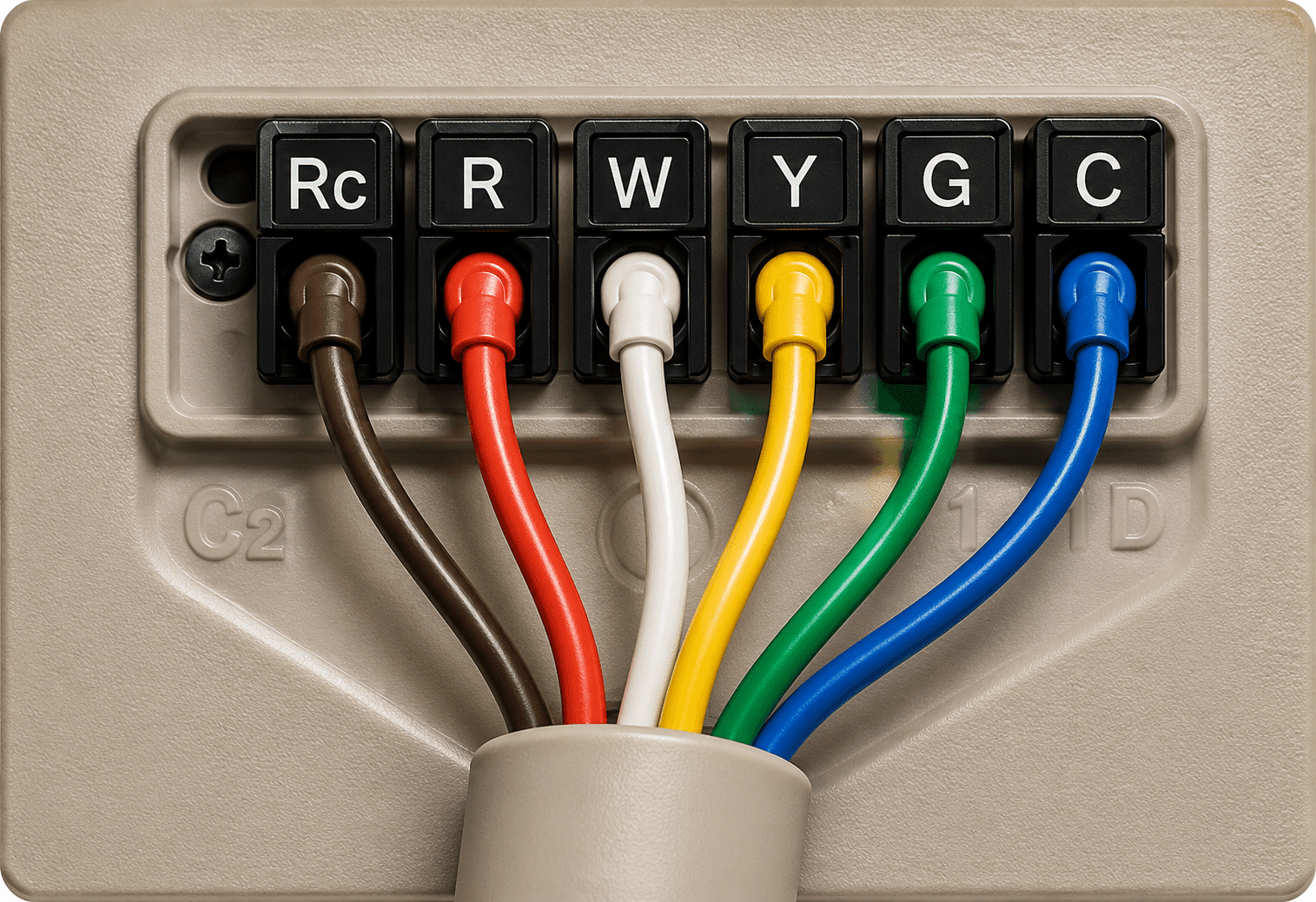
Which Zigbee channel should I use?Select the terminals behind your old thermostat. Find out whether you have a common wire, what HVAC system you likely have, and your options.
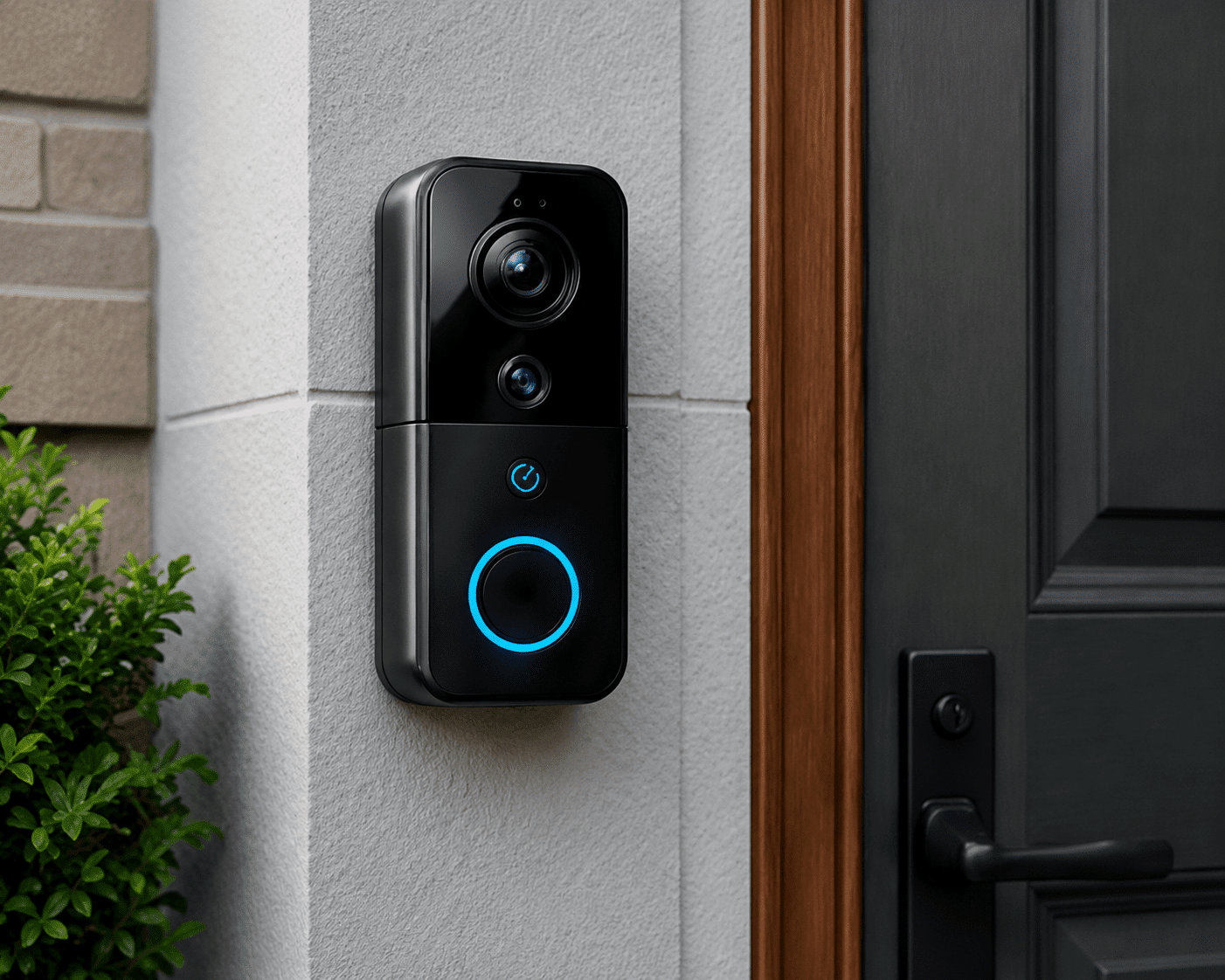
Do I have a C-wire?Most video doorbell reboot problems are voltage problems. Check transformer capacity, voltage drop and the wire run before buying parts.
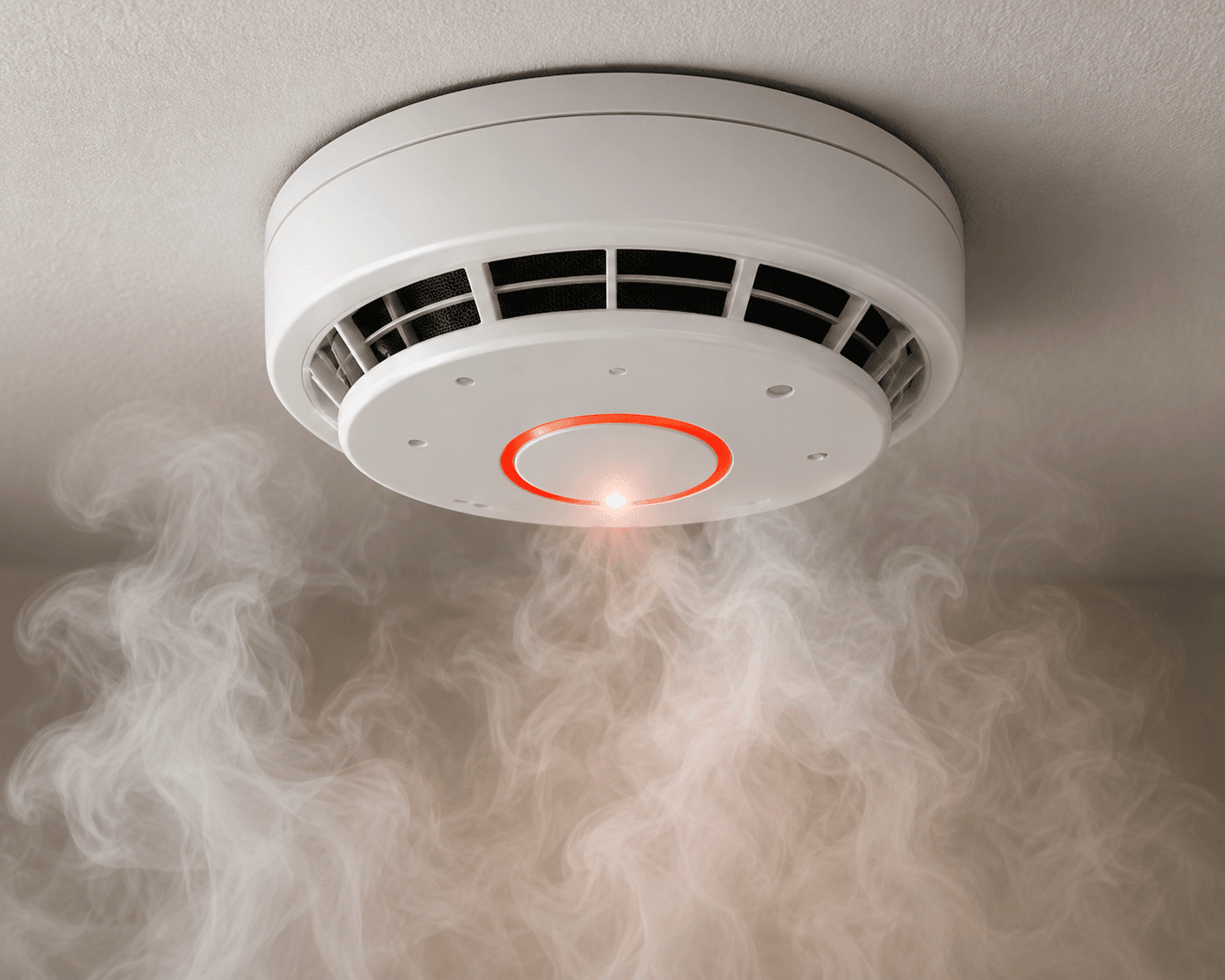
Is my transformer enough?Describe your floors, bedrooms and appliances. Get a room-by-room placement list and a count that explains the reasoning.
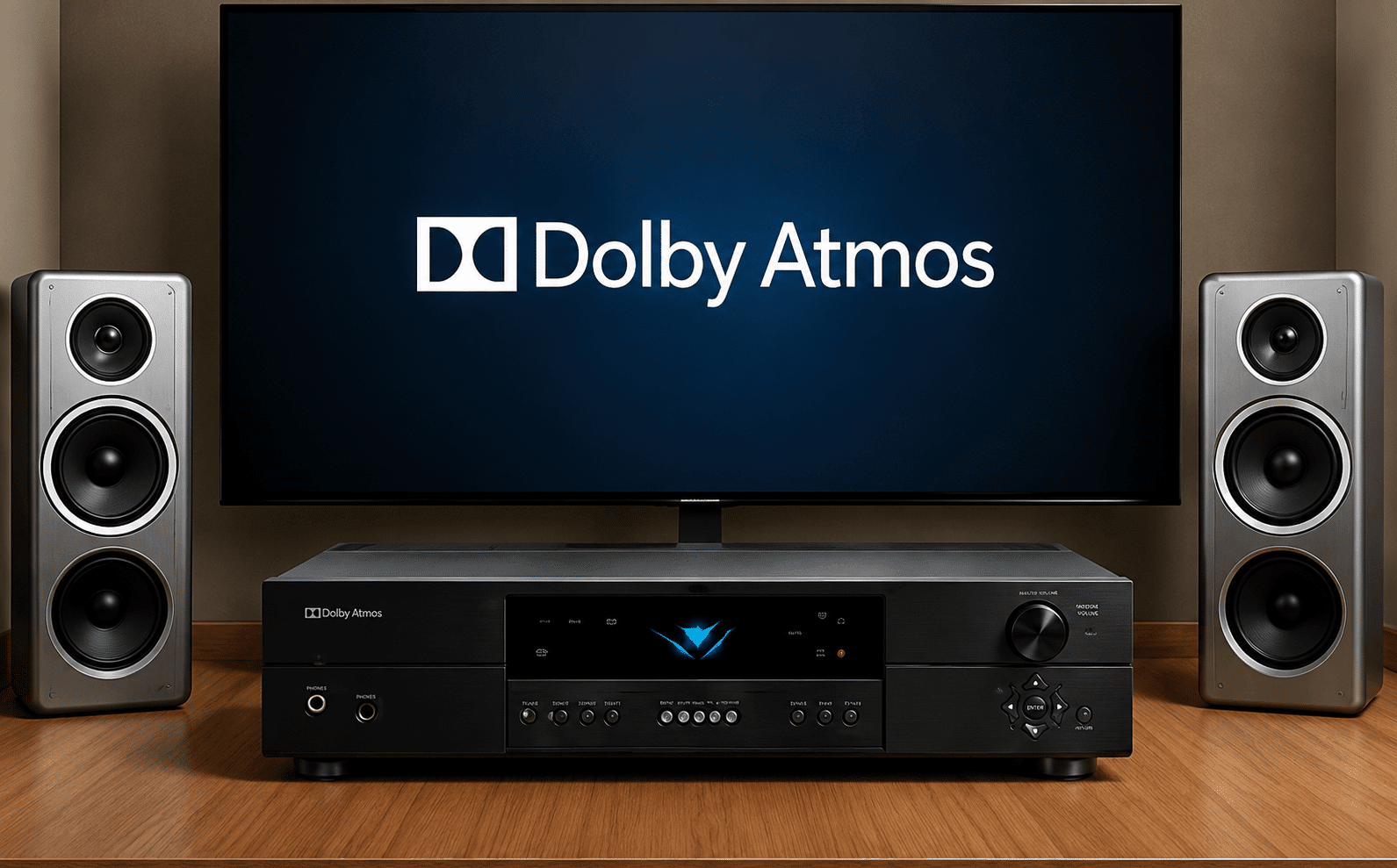
How many do I need, and where?Trace the signal path from source to screen. See which audio format survives each connection and what change removes the bottleneck.
Am I really getting Atmos?There's no account, no email capture and no affiliate link in any of them. They run entirely in your browser — nothing you type is sent anywhere, because there's no server to send it to. You can use them offline once the page has loaded.
Each one shows its working. Where a result comes from a formula, the formula is on the page. Where it comes from a published standard, the standard is named. If you disagree with an answer you can check it yourself, which is the point — a tool you can't verify isn't much better than a guess.
These are planning aids, not inspections. They model the specific thing they describe and nothing else. The Zigbee planner doesn't know about your walls; the doorbell checker doesn't know your transformer is thirty years old and underperforming its label; the alarm planner doesn't know your local fire code. Where a result matters for safety or for something expensive, treat it as the starting point for a conversation with someone who can see the actual installation.
If a tool gives you an answer you think is incorrect, that's worth knowing about — the calculations are documented specifically so errors can be found. Tools get added when a question turns out to be common and the existing answers are poor.