
Overview of The Role of Roof Insulation in Extreme Weather Protection
The article discusses the growing importance of roof insulation in the construction industry as a response to climate change. Proper roof insulation, especially using mineral wool, enhances structural integrity by supporting roof frameworks against strong winds. It also mitigates impact damage from increasingly severe hailstorms by dissipating energy. Additionally, insulation prevents water infiltration through semi-permeable membranes, preserving the wood structure. Most importantly, roof insulation regulates temperature by reducing heat loss, thereby improving energy efficiency and comfort in homes during extreme weather.
Quick Solutions to Questions related to Roof Insulation in a Changing Climate:
-
How does roof insulation enhance structural integrity?
Mineral wool insulation tightly packed with rigid boards adds stability to roof structures, helping them resist strong winds and storm conditions. -
Can roof insulation reduce damage from hailstorms?
Yes, bulk mineral wool insulation dissipates impact energy, lowering the risk of hail penetrating roof slates during heavy storms. -
What role does roof insulation play in preventing water infiltration?
Insulation is secured by semi-permeable membranes that act as barriers against water, protecting wood frameworks and the home’s interior. -
Does roof insulation help with temperature regulation in homes?
Yes, it reduces heat loss through convection, improves energy efficiency in heating, and enhances comfort during extreme weather. -
Are there innovations in insulation materials that combine structural and insulative properties?
Yes, new construction materials are being developed to combine effective insulation with improved structural integrity.
The climate crisis is one of the leading conversations of our time. As the impacts of global carbon dioxide pollution make themselves more and more apparent, in the form of rising sea temperatures and the increased incidence of unnatural weather events, more eyes are looking to industry for answers and next steps. In the construction industry, steps are being made not only to address pollution, but also to address the new needs of homes in a post-climate change world. Roof insulation plays a key part in protecting homes from extreme weather events, but how?
Enhancing Structural Integrity
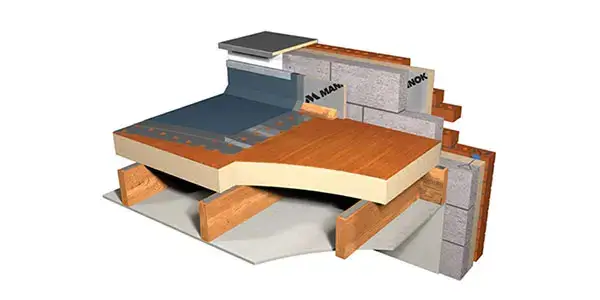
An often-overlooked advantage of properly insulating your roof comes in the form of structural integrity. While mineral wool products are not often chosen for their structural properties, they can nonetheless provide a great deal of support to roof structures by virtue of their presence. The close and tight packing of wool roof insulation material, coupled with the use of rigid insulation boards, can add stability to wood battening, ensuring that strong winds and storm conditions do not prematurely weaken roof frameworks.
There is also something to be said about development, iteration and innovation within the construction materials industry. As new technologies and science emerges regarding the manufacture of insulating materials, new products are being designed that combine insulation properties with structural integrity and effectiveness. This is another small part in the growing ‘green revolution’ of the construction industry, which we will touch on in greater detail shortly.
Mitigating Impact Damage
Following on from structural integrity, insulation can provide further integrity benefits as a present material in extreme weather conditions. Roofs are uniquely susceptible to impact damage in storm and other weather conditions, particularly hail.
With the climate crisis inspiring more extreme versions of conventional weather events, it is anticipated that heavier hailstorms will become a part of the UK’s weather cycle. Larger hailstones present a risk to roofing where impact cannot be adequately absorbed. The presence of bulk in the form of mineral wool insulation enables impact energy to be greater dissipated, reducing the likelihood or impact of hail penetrating roof slates.
Preventing Water Infiltration
One of the primary purposes of modern roof design is to prevent the ingress of water. As weather events become more extreme, existing roof designs are likely to be put to the test. In installing roof insulation, semi-permeable membranes are used to bound and secure the mineral wool material in place. This membrane is an additional layer of protection against water infiltration – preserving the longevity of wood frameworks and keeping the home atmospherically secure.
Temperature Regulation
Finally, it is important to touch on the central, essential purpose of roof insulation at all: heat insulation. In insulating the roof, less heat can escape via heat convection, allowing better temperature regulation in the colder months. As well as improved energy efficiency with regard to heating systems, this insulative effect can improve comfort in the upper floors of the home during more intense weather events, protecting the homeowner as well as the home.
About The Author

Hassan Zaka
I am an expert in accounting and possess diverse experience in technical writing. I have written for various industries on topics such as finance, business, and technology. My writing style is clear and simple, and I utilize infographics and diagrams to make my writing more engaging. I can be a valuable asset to any organization in need of technical writing services.
Follow Us:LinkedinTwitter