
Overview of Understanding and Fixing Common Security Camera Issues
Security cameras often suffer blurred footage due to dirty lenses, focus issues, wrong resolution, poor positioning, or night-mode IR filter effects. Recording failures usually stem from disabled recording, full or failing storage. Wireless cameras face connectivity problems from weak Wi-Fi, router or software issues, and improper camera selection for environments. False alarms arise from overly sensitive motion detection reacting to dust, rain, or shadows. Power irregularities cause erratic behavior or failure. Regular inspections, cleaning, correct settings, appropriate camera selection, and routine maintenance resolve many issues; consult professionals for serious faults.
Quick Solutions to Questions related to Security Camera Issues:
-
How can I fix blurry security camera footage?
Clean the lens, check focus and resolution settings, reposition the camera, and inspect for dust or spiderwebs; consider night-mode IR filter effects at night. -
What should I check if my camera is not recording?
Verify recording is enabled, check storage device capacity and health, and delete old footage or replace the storage device if full or faulty. -
How do I resolve wireless camera connectivity problems?
Assess Wi-Fi signal strength, check router and software updates, and ensure cameras are suitable for the environment (e.g., outdoor-rated if outside). -
Can false alarms from motion detection be reduced?
Yes; fine-tune motion detection settings to distinguish between real threats and benign triggers like dust, rain, or shadows. -
What causes cameras to behave erratically or stop working?
Inadequate or unstable power supply and poor power connections can cause unpredictable behavior or failure; perform regular power checks.
In the contemporary landscape of property protection, exploring the reasons behind the blurriness of security cameras stands as an indispensable task. Security cameras are vital assets, offering a crucial layer of surveillance for both residential and commercial spaces. Despite their technological advancements, these devices are not impervious to issues that can potentially undermine their effectiveness. The recognition and proactive addressing of common problems within these surveillance systems become imperative tasks in safeguarding the security of one’s property. By acknowledging and resolving issues promptly, property owners can ensure the continuous and reliable operation of their security cameras, reinforcing the overall safety net provided by these electronic guardians.
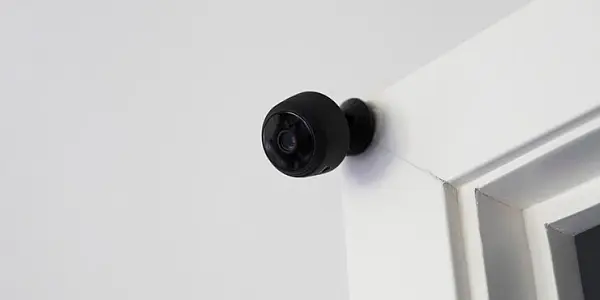
Video Quality Challenges: Unveiling the Lens of Clarity
A prevalent concern among security camera users is compromised video quality, manifesting as blurred or pixelated images. Several factors contribute to this issue. Dirty lenses, focus problems, or an unsuitable environment can all play a role in diminishing the clarity of captured footage. Nighttime blurriness, a frequent complaint, is often linked to the camera’s transition to night mode and the utilization of an IR cut filter. Understanding these mechanisms is key to troubleshooting and ensuring optimal video quality.
Video quality degradation in security cameras can result from various factors, including incorrect resolution settings, improper camera positioning, and the presence of dust or spiderwebs on the lens. Additionally, subpar cable connections can exacerbate these issues. Implementing regular inspections and cleaning routines is crucial in mitigating these contributors to degradation, as it ensures that the cameras function optimally by maintaining clear and high-quality video output.
Recording Dysfunctionality: The Silent Observer’s Dilemma
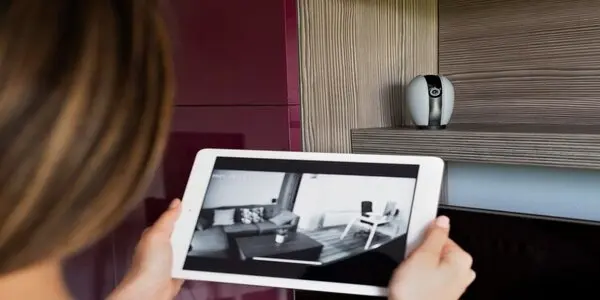
Users often encounter challenges related to the ineffective recording of footage in security camera systems. Instead of hastily dismantling the entire setup, it is essential to first verify that the recording function is activated. Once confirmed, the focus should shift to the storage device, where issues such as full storage or device failure can substantially hamper the system’s recording capabilities. To address these concerns, implementing routine maintenance practices becomes crucial, including tasks like deleting outdated footage or replacing the storage device. By consistently performing these measures, users can successfully overcome recording issues, ensuring the uninterrupted and seamless capture of essential surveillance data.
Connectivity Challenges: Bridging the Wireless Divide
Connectivity issues, predominantly affecting wireless cameras, can be a source of frustration for users. Weak Wi-Fi signals, router problems, or software glitches may impede the seamless connection between the camera and the monitoring system. Troubleshooting these challenges involves a comprehensive assessment of the Wi-Fi connection’s strength and ensuring that the security system software is up-to-date.
Moreover, the importance of matching cameras to their intended environments cannot be overstated. Outdoor cameras, for instance, should be waterproof and capable of withstanding extreme temperatures. When cameras are inappropriately placed, they may struggle to function correctly. Conducting a thorough evaluation of the surveillance space and selecting cameras tailored to the specific environmental conditions is essential for ensuring sustained connectivity.
False Alarms and Motion Detection: Navigating the Shadows of Security
The efficiency of a security system is often compromised by false alarms triggered through motion detection. Innocuous elements like floating dust particles, rain, or passing shadows can result in unnecessary notifications, causing inconvenience for users. To mitigate this issue, a critical step involves fine-tuning the motion detection settings to establish a clear distinction between genuine threats and benign activities. Through proper configuration, the frequency of false alarms is reduced, leading to an enhancement in the overall reliability of the security system. This strategic adjustment ensures that the system remains vigilant to genuine security threats while minimizing disruptions caused by irrelevant triggers.
Power Supply Concerns: Fueling the Guardian’s Vigilance
Inadequate power supply poses a critical concern, capable of inducing unpredictable behavior or even complete malfunction in security cameras. The proper functioning of these surveillance tools hinges on a constant and stable power supply. To safeguard against disruptions in surveillance, vigilance in this aspect is paramount, necessitating routine checks and maintenance of power sources. Regular inspections of power connections are essential, ensuring that the cameras consistently receive the required voltage for optimal performance. By prioritizing these measures, users contribute to the longevity and reliability of the entire security system, reinforcing its ability to provide consistent and effective monitoring.
Final Thoughts
Facing issues with security cameras can induce anxiety, particularly when relying on them for safety. Understanding and addressing common problems with these devices is essential. While consulting professional installers is advisable for severe issues, many common challenges can be resolved with simple adjustments and interventions. The security of your property is a serious matter, and consistent maintenance and periodic check-ups are necessary for an efficient and reliable camera system. By promptly addressing these common security camera issues, you can ensure the optimal functionality of your surveillance system, thereby preserving the safety of your home or office.
About The Author

Hassan Zaka
I am an expert in accounting and possess diverse experience in technical writing. I have written for various industries on topics such as finance, business, and technology. My writing style is clear and simple, and I utilize infographics and diagrams to make my writing more engaging. I can be a valuable asset to any organization in need of technical writing services.
Follow Us:LinkedinTwitter